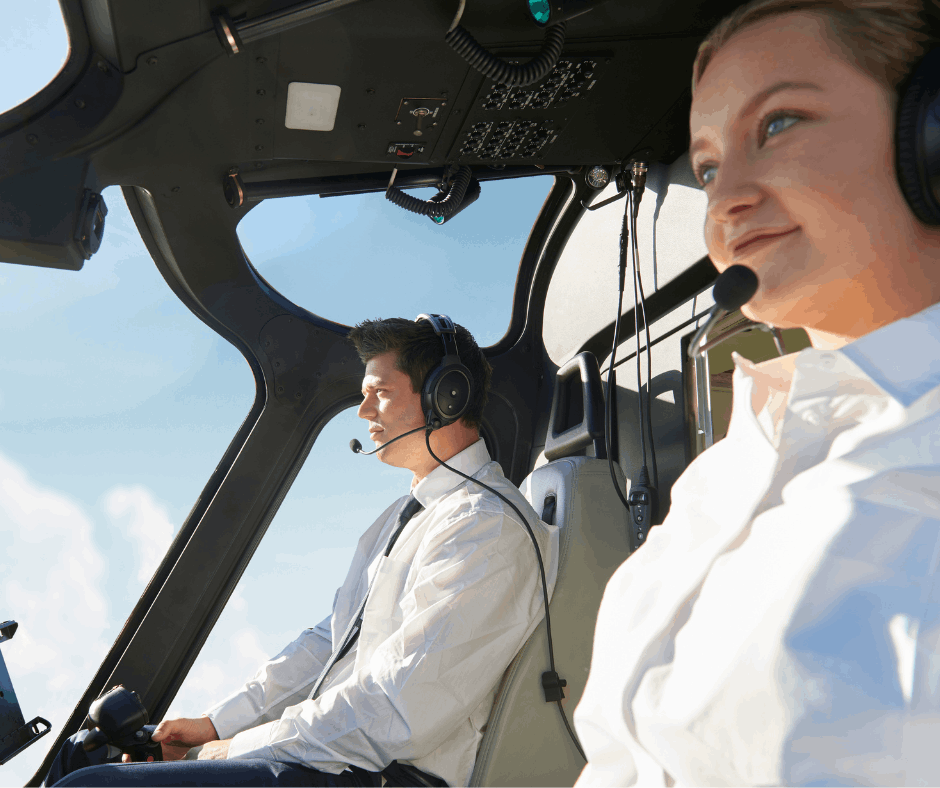
Admission to pilot training courses typically involves several key steps, which may vary slightly depending on the flight school, country, and the type of pilot license sought (e.g., private pilot license (PPL), commercial pilot license (CPL), airline transport pilot license (ATPL)). Here are the general steps involved in the admission process:
1. Research and Selection of Flight School
Accreditation: Ensure the flight school is accredited by relevant aviation authorities (e.g., FAA in the USA, EASA in Europe).
Programs Offered: Choose a program that fits your career goals (e.g., PPL, CPL, ATPL).
Reputation and Reviews: Look at reviews and success rates of past students.
Location: Consider the geographical location and weather conditions for flight training.
2. Meet Basic Requirements
Age: Usually, a minimum age of 16 for a PPL and 18 for a CPL.
Education: A high school diploma or equivalent is typically required.
English Proficiency: As aviation is conducted in English, proficiency is mandatory, often demonstrated through standardized tests (e.g., IELTS, TOEFL).
3. Medical Examination
Medical Certificate: Obtain a Class 1 or Class 2 medical certificate from an aviation medical examiner. This involves a comprehensive health check to ensure fitness for flying.
4. Application Submission
Application Form: Complete the flight school’s application form, which may be available online.
Documentation: Submit required documents such as identification, educational certificates, and medical certificate.
Application Fee: Pay any required application fee.
5. Assessment and Interviews
Written Tests: Some schools require aptitude tests or knowledge tests on subjects like math and physics.
Interviews: Participate in interviews to assess your motivation, communication skills, and overall suitability for the training program.
6. Financial Planning
Tuition Fees: Understand the cost of the program, including tuition, materials, and flight hours.
Financial Aid: Explore options for scholarships, loans, and financial aid if available.
Payment Plans: Some schools offer installment payment plans.
7. Acceptance and Enrollment
Acceptance Letter: If accepted, you will receive an acceptance letter detailing the next steps.
Enrollment Agreement: Sign the enrollment agreement to secure your spot in the program.
Initial Payments: Make any initial payments required to confirm enrollment.
8. Pre-Course Preparations
Study Materials: Obtain and review any pre-course study materials.
Uniform and Equipment: Purchase necessary uniforms, books, and equipment as specified by the school.
Accommodation: Arrange for accommodation if the school is not in your local area.
9. Start Training
Orientation: Attend an orientation session to familiarize yourself with the school’s facilities, instructors, and policies.
Ground School: Begin with ground school courses covering aviation theory, regulations, navigation, meteorology, and aircraft systems.
Flight Training: Start practical flight training under the supervision of certified flight instructors